
ES · EN
Contact us
Any service vehicle, turned into an inspection platform: it detects, classifies and flags waste left next to containers along its usual route.
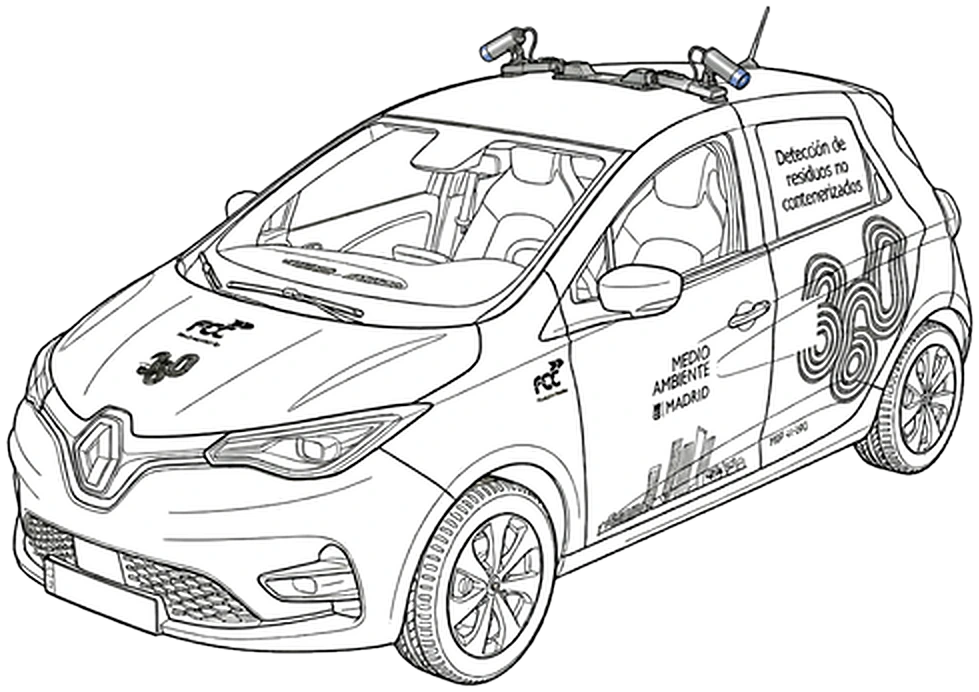
Cameras and GNSS on the service vehicle, along its usual route.
The AI detects, classifies and anonymises on board the vehicle.
Categorised and geolocated, with visual evidence, in the client's management platform.
Less time between waste being left and collected: a better image for the city and fewer penalties.
Everyday service vehicles become automatic inspection vehicles.
Crews only go where incidents are confirmed: fewer hours and less fuel.
A stream of categorised, georeferenced alerts in the management platform.
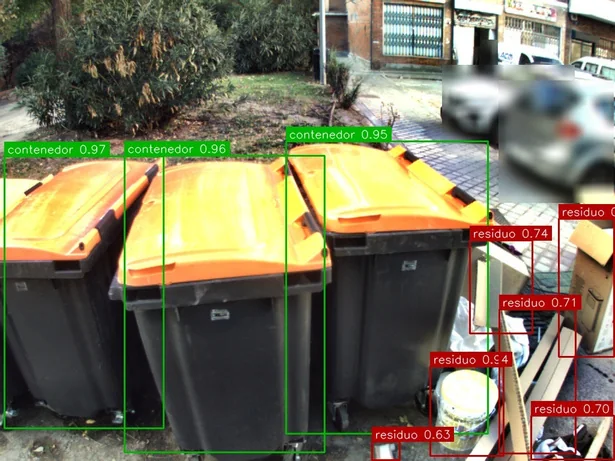
It autonomously locates uncontained urban waste, with no action needed from the driver.
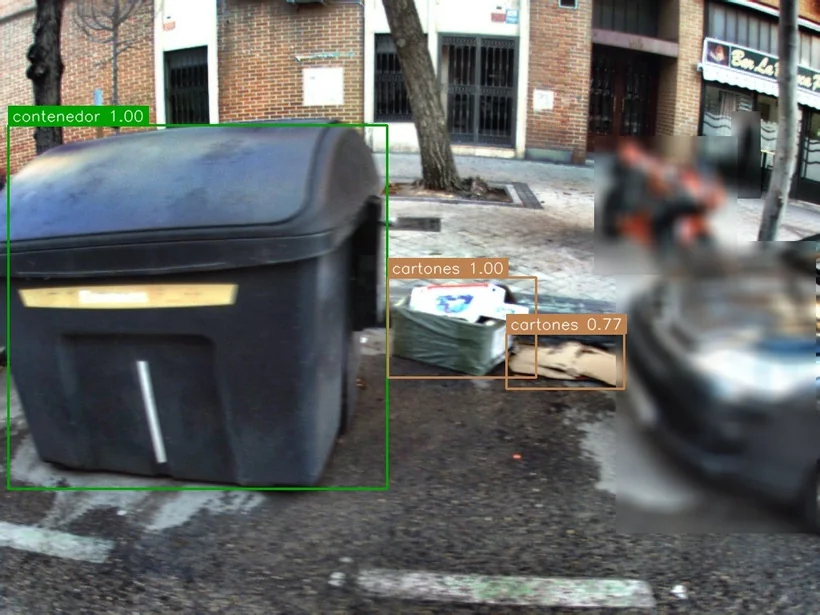
It classifies the type of waste with AI and records the visual evidence and the exact GPS coordinates of the incident.
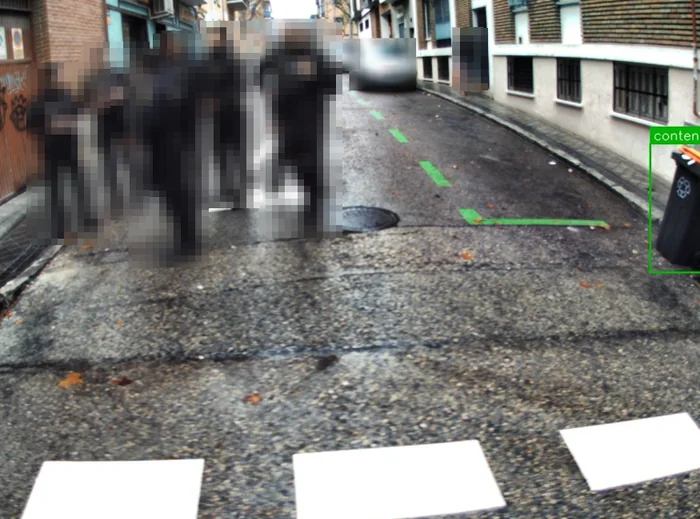
Pedestrians and vehicles are automatically obfuscated before any data is sent, in line with the GDPR.
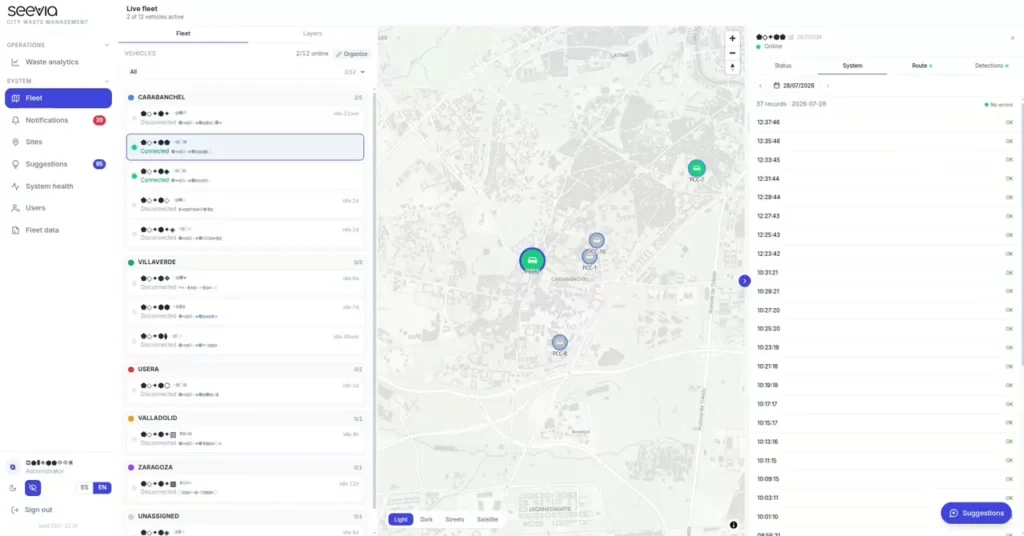
Direct connection to the client's management platform, with alerts sent instantly with evidence and position.
Ultra-compact industrial computer that runs Seevia's AI algorithms in real time on the vehicle itself. Built for vibration and temperature changes.
Industrial-grade cameras chosen for each vehicle and each service.
GNSS receiver to place each incident on the map.
Mobile connection with firewall and encryption: alerts travel protected to the platform.
Waste · En vehículo
Cameras on the service vehicle that flag waste left around container sites, with geolocated alarms.
Waste · En cámara fija
Detection on infrastructure with CCTV/IP cameras and a processing unit next to them.
Processing
On board the vehicle or next to the camera.
Vehicle-mounted
On-board cameras, GNSS and mobile connection, depending on the vehicle
Fixed camera
Existing or new CCTV/IP cameras and a processing unit next to them
Objects
Containers and uncontained urban waste.
States
Waste left at the container site, classified by type
Events (fixed camera)
Collection · use · vandalism
Alerts
Geolocated, sent straight to the client's control centre.
Management app
Live tracking, history, alerts and analytics.
Anonymisation
People and vehicles anonymised on board, before any analysis.
Data
Data encryption. GDPR compliant.
Licence
Seevia product under a licence of use.
Options
Projects, pilots, proofs of concept, licences of use and SaaS.