
ES · EN
Contact us
EPIC: testing perception in the 5G network
Within the ENVELOPE framework, EPIC validates whether a self-driving vehicle's perception, with LiDAR and camera, can run on a 5G network server located next to the antennas (edge).
Technologies
5G
Edge computing
LiDAR
3D perception
Server deployment
On-demand quality of service
ENVELOPE is a project of the Smart Networks and Services Joint Undertaking (2024-2026) that opens an advanced 5G architecture to connected and automated driving services, with trial sites in Italy, the Netherlands and Greece, and funds third-party projects through open calls.
EPIC was selected in the first open call. It tests whether an autonomous vehicle's perception can run on 5G network servers located next to the antennas (edge), at the Turin trial site. Seevia develops the perception; i2CAT the network and the offloading; ENVELOPE provides its APIs, the edge nodes and the vehicle.
Sending LiDAR and camera data to a server takes a lot of bandwidth. The bottleneck is not computing but transport; we had to check on a real network whether offloading is viable.
01
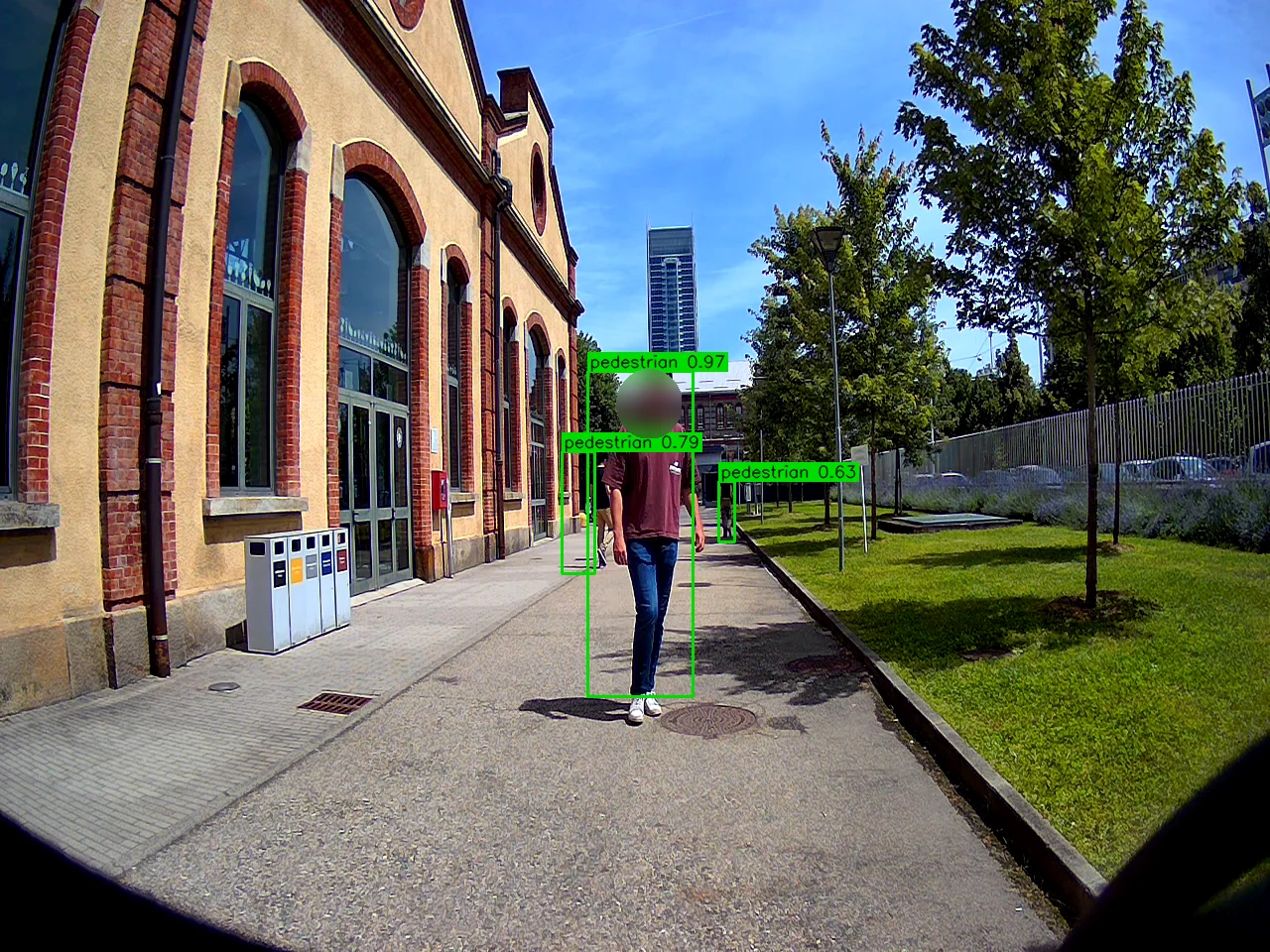
2D object detection with the camera and 3D with the LiDAR, ready to run on the network's edge servers.
02
It also runs in the vehicle, for when the network falls short.
03
A list of obstacles returns to the vehicle, far lighter than the input data.
04
With LiDAR, with camera and with both, over the 5G network of the ENVELOPE trial site.
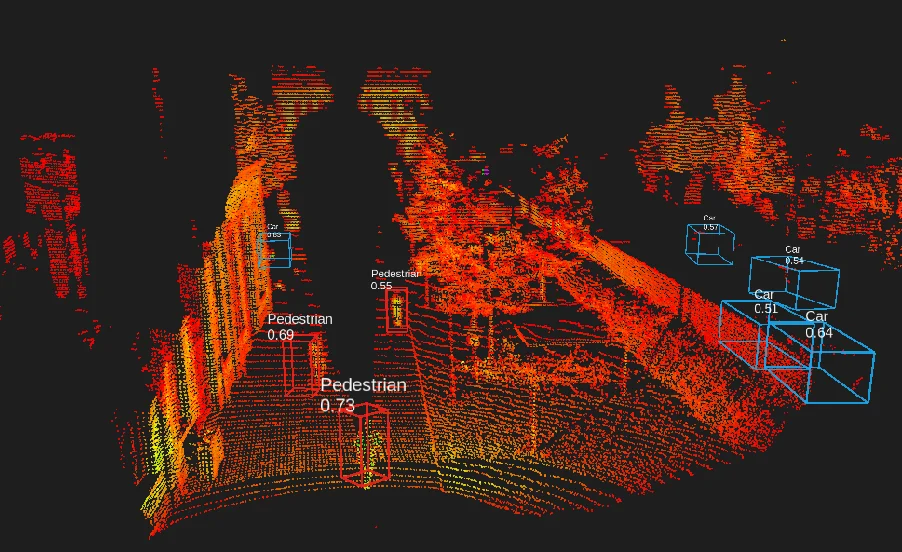
LiDAR point cloud with the objects detected in 3D.
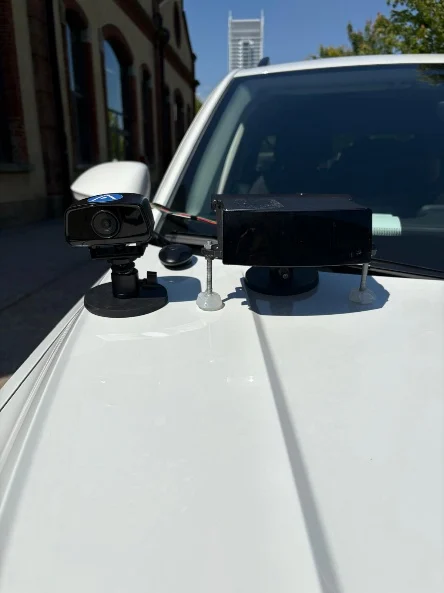
Sensor mounted on the test vehicle.
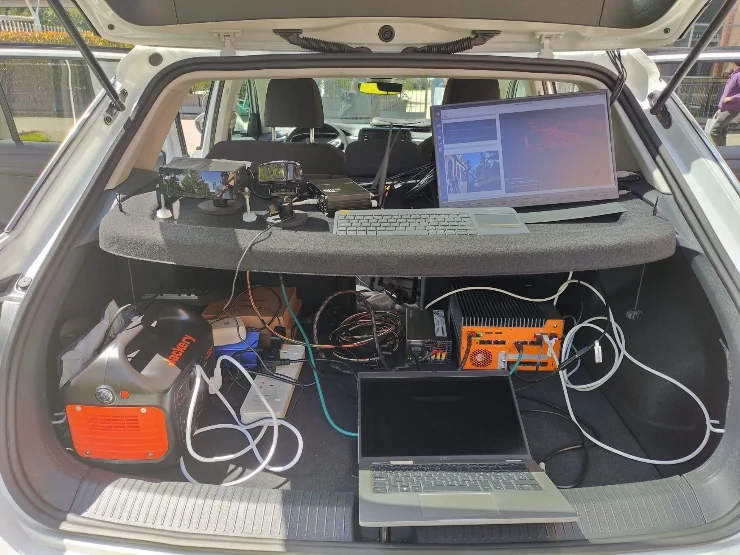
On-board computing equipment during testing.
We carried out EPIC with i2CAT within ENVELOPE. The tests took place at the Fondazione LINKS site in Turin.

Partner

Trial site, Turin

Host project


EPIC is an experiment funded through the ENVELOPE open call (SNS JU, Grant Agreement No 101139048).
Co-funded by the European Union. Views and opinions expressed are however those of the author(s) only and do not necessarily reflect those of the European Union or the granting authority. Neither the European Union nor the granting authority can be held responsible for them.
9 December 2025
Presentation of the technical proposal.
5 to 7 May 2026
First test session in Italy.
18 to 21 May 2026
Second test session.
9 to 12 June 2026
Third test session.
Whether an autonomous vehicle's perception can run reliably on network servers, and what limits its feasibility.
That the limiting factor is carrying sensor data across the network rather than computing capacity.
With latency, reliability and service-continuity indicators measured in tests over a real 5G network.
Tell us your case and we will look at it with your data.
Next
ASVIC